

By Loni, owner of ProLine Roofing. GAF Master Elite® contractor, licensed and insured.
Published · Updated
The short answer
The clearest signs are shingles curling, cracking or bald across the roof, granules piling up in the gutters, leaks returning in new places, soft or sagging decking and daylight through the roof boards. One sign in one spot usually means a repair; several across the roof usually mean roof replacement. An inspection with photos tells you which.
Key takeaways
- Signs across the whole roof point to age and replacement; a sign in one spot usually points to a repair.
- Granules in the gutters and curling on the sunny slope are usually the first signs, years before a leak.
- Daylight through the roof boards, a sagging roof line or soft decking need attention soon, whatever the roof's age.
- You can check most signs safely from the ground, the gutters, the attic and the top-floor ceilings. Do not walk on the roof.
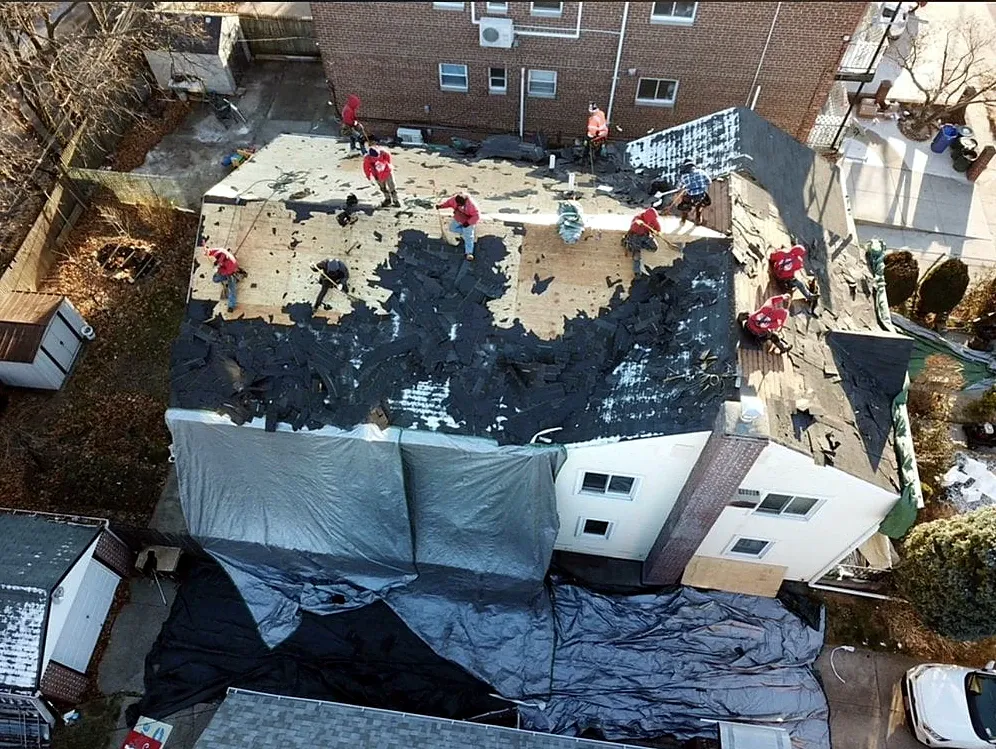
What are the signs you need a new roof?
A roof that needs replacing shows it in four places: on the shingles, in the gutters, in the attic and on the top-floor ceilings. Here are the ten signs we look for on every inspection, what each one looks like and what it usually means.
-
Curling or cupping shingles
Edges turning up, or the middle dishing down. Shows on the sunny slope first and means the shingles are drying out.
Across the roof: replacement
-
Cracked shingles
Splits across the tabs, often after a cold winter. A few after a storm are a repair; cracks everywhere are age.
Across the roof: replacement
-
Bald patches
Smooth, dark areas where the granules have washed off and the asphalt is exposed to the sun.
Across the roof: replacement
-
Granules in the gutters
Coarse grit piling up in the gutters and at the downspouts, year after year. A little after a new roof is normal.
Across the roof: replacement
-
Missing shingles
Tabs blown off in a moderate wind. One area is a repair; tabs going in every storm means the seals have aged out.
One spot: usually a repair
-
Moss and dark streaks
Streaks are algae and mostly cosmetic. Moss holds water against the shingles and lifts them.
Get it checked soon
-
A sagging roof line
A dip in the ridge or between rafters. Points to wet, rotted decking or a framing problem.
Get it checked soon
-
Daylight in the attic
Light through the roof boards, at nails or along the edges. If light gets in, so does water.
Get it checked soon
-
Stains on top-floor ceilings
Brown rings or peeling paint. Usually one leak with one cause, found by checking the attic above.
Get it checked soon
-
Cracked flashing or caulk
Gaps or tar patches where the roof meets a chimney, wall or skylight. The most common leak point, and a repair.
One spot: usually a repair
The difference between a repair and a replacement is almost always how widespread the sign is. A few cracked shingles after a storm are a repair. Cracked shingles on every slope mean the roof has reached the end of its life.
Where should you look?
You do not need to climb a ladder to check most of these. Start outside with binoculars, then the gutters, then the attic with a flashlight on a sunny day, and finish with the ceilings of the top floor.
- The roof line. Sight along the ridge from across the street. It should be straight; a dip means trouble underneath.
- The shingle field. Curling, cracking, bald or missing shingles. Check the sunny south and west slopes first.
- Chimney and walls. Flashing should be metal, tight and rust-free, not smeared with tar.
- Vents and pipe boots. Cracked rubber boots around plumbing vents are a common, cheap-to-fix leak.
- Gutters and downspouts. Granules, sagging sections, and water spilling over the edge in rain.
- Attic and ceilings. Daylight, stains and soft boards in the attic; brown rings on top-floor ceilings.
Signs you can see from the ground
- Curling and cupping. Shingle edges turning up, or the middle of each shingle dishing down. Common on the sunny side first.
- Cracking. Splits across shingles, especially after cold winters.
- Bald patches. Dark, smooth areas where the protective granules have washed away and the asphalt underneath is exposed to the sun.
- Missing shingles after moderate wind, a sign the seals between shingles have aged out.
- A sagging roofline. A dip in the ridge or between rafters points to a deck or structural problem.
- Moss and dark streaks on shaded slopes. Streaks are algae and mostly cosmetic; moss holds moisture against the shingles.
What do granules in the gutters mean?
Shingle granules look like coarse sand or grit. A handful after a new roof is normal: loose granules from manufacturing wash off in the first rains. Heaps of them in the gutters and at the bottom of the downspouts year after year mean the shingles are losing their protective layer, and the asphalt underneath will dry and crack faster.
What to look for in the attic
Take a flashlight on a sunny day and look at the underside of the roof:
- Daylight through the boards, especially around nails or at the edges.
- Water stains, dark rings or damp patches on the rafters and decking.
- Soft or delaminating plywood. Press gently with a screwdriver handle: sound wood is firm.
- Damp insulation, mold or a musty smell. These often point to ventilation as much as to the roof.
- Frost on the nails in winter: warm, wet air from the house condensing in a poorly ventilated attic.
Signs inside the house
Ceiling stains and peeling paint on top-floor ceilings, and a top floor that is much hotter than the rest of the house in summer, can all point to the roof. A stain is rarely right under the hole: water runs along rafters and boards first. That is why we always check the attic above a stain.
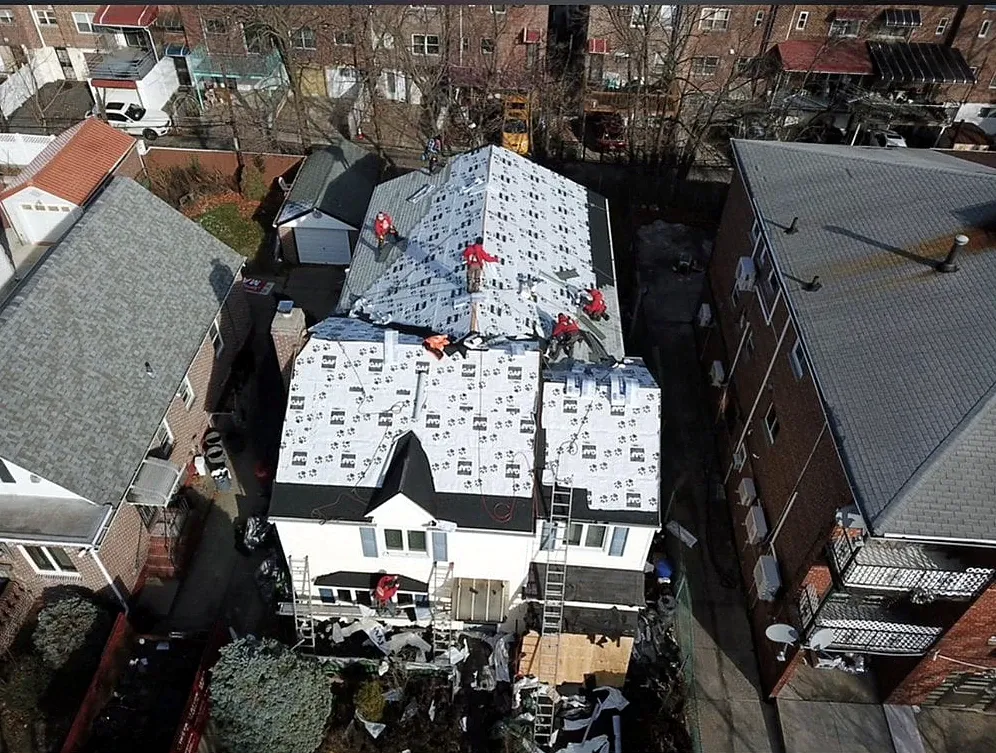
Check your own roof
Tick what you can see. The answer weighs how many signs there are and whether they point to age across the roof or to one spot.
Roof self-check
Tick everything you can see without climbing on the roof.
0 signs ticked
Nothing ticked yet. A roof with no signs needs a look every few years and after big storms.
Book a free inspectionOne sign or many?
A single sign in a single spot, such as one stain under a chimney or a few shingles off after a storm, usually means a repair; see roof repair. Several signs across the roof, on an older roof, usually mean replacement. Our guide on whether to repair or replace goes through the decision with a chart and a calculator, and our guide to how long a roof lasts shows where your roof is likely to be in its life.
If you are not sure, a free inspection with photos settles it. We photograph the whole roof, not just the problem, and tell you plainly which side of the line it is on.
Sources and further reading
- US EPA, A Brief Guide to Mold, Moisture and Your Home
- InterNACHI, Standard Estimated Life Expectancy Chart for Homes
Prices are our published Staten Island ranges. Everything else comes from our own inspections and installs unless a source is listed.