
Do the looking yourself and leave the climbing to a pro. Binocular checks from the ground and an attic check with a flashlight are safe DIY. Shingle swaps, flashing and vent sealing, and any leak you cannot trace belong to a licensed roofer, because a fall or a wrong repair costs far more than the service call.
Repair videos make a loose shingle look like a ten-minute job. Staten Island roofs add salt air, wind off the water and steep older rooflines, and the margin for error shrinks fast. We would rather you know the line before you cross it, so here is an honest sort of what suits a homeowner and what does not.
The DIY or call-a-pro matrix
Each task gets a risk meter. Green means you can do it with common sense. Amber means the risk is real and hiring out is the smart move. Red means call us.
This is general guidance. Every roof, ladder and homeowner is different. If a task feels unsafe, it is.
The checks you can do with both feet on the ground
You can learn a great deal about your roof without leaving the lawn. Run through this list after storms and twice a year.
- Walk the perimeter with binoculars. Look for missing, cracked or curling shingles, bare patches and a sagging ridge line.
- Check the gutters and downspouts from below. Granules in the downspout outlet, sagging runs and overflow stains point to roof or drainage trouble.
- Scan the flashing you can see. Look at the chimney, vents and skylights for gaps, rust or lifted metal.
- Look up inside the house. Ceiling stains, peeling paint and musty smells near the top floor tell you water is getting in.
- Take your flashlight to the attic. Look for damp wood, dark stains, daylight through the roof boards and wet or matted insulation.
- Photograph what you find. Dated photos help us diagnose the problem and help your insurer understand it.
Found something? Our guide to common leak causes explains what each sign means, and a professional roof inspection confirms it with photos.
The hidden costs of a DIY roof repair
The materials are cheap. The risks around them are not.
Falls and injuriesRoofs are slick, sloped and unforgiving. Pros work with harnesses and fall protection. One slip erases any savings.
The wrong fix hides the leakA patch can stop the drip in one spot and let water spread through decking and insulation unseen. You find the damage months later.
Warranty and insurance questionsSome manufacturer warranties and insurance policies set conditions on who performs the work. Read yours before you start. Our storm damage repair comes with photos and a written report you can hand to your insurer.
No workmanship backingWhen your own repair fails, nobody stands behind it. A licensed contractor puts the terms in writing.
What a pro repair covers
- Finding the real source of the water
- Correct layering of flashing and underlayment
- Matching shingles and sealing them in
- Safety gear and insurance on the job
- A written estimate and photo report
What a DIY repair risks
- A guess at the cause
- Sealant over the symptom
- Mismatched or sealed wrong shingles
- Your own safety and your own liability
- A second repair, and a bigger bill
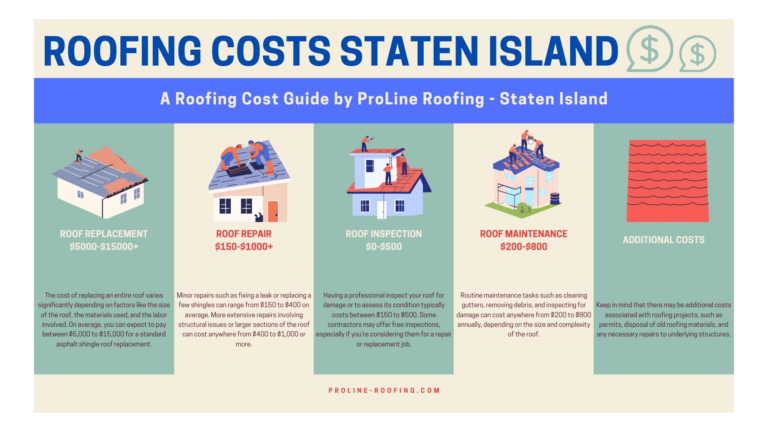
Professional repair ranges run $150 to $400 for a minor fix and $400 to $1,000+ for a larger one. Our repair cost breakdown shows what drives the number.
Unsure which side of the line your problem sits on? Send us a photo or book a free inspection. If it is a clogged gutter you can handle, we will tell you.
Get my free estimateWater coming in right now
Stay off the roof. A wet roof at night in the rain is the most dangerous place to be, and the repair can wait for a professional. Protect the inside of the house, then call.
- 1Contain the waterPut a bucket under the drip. Move furniture and electronics away from the spot.
- 2Document itPhotograph the stain, the damage and the date. Your insurer will ask.
- 3Call us any timeWe are open 24/7 for leaks. We respond fast and stop the water first. See our leak repair service and the roof emergency guide.
Three signs it is time to call
For a roof that has not been checked in years, regular maintenance costs less than emergency repair. Annual plans run about $200 to $800.
Questions we hear
Can I repair my own roof?
You can inspect it from the ground and from the attic. Work on the roof surface, including shingle swaps, flashing and sealing, belongs to a licensed pro. The risk of a fall and of a repair that hides the leak is too high.
Is it safe to climb on my roof to find a leak?
No. Roofs are slick and sloped, and the leak seldom sits where the stain appears inside. Check from the attic with a flashlight and call a roofer for the rest.
Does a DIY repair void my roof warranty?
It can. Some manufacturer warranties and insurance policies set conditions on who does the work. Check your documents before any repair, and ask your insurer if you are unsure.
Can I clean my own gutters?
On a one-story home with a stable ladder, level ground and a helper, many homeowners do. On taller homes, hire it out. We offer gutter cleaning.
How much does a professional roof repair cost on Staten Island?
A minor repair runs about $150 to $400, and a larger one $400 to $1,000+. Inspections run about $150 to $500, and ours comes with a free estimate and photo report.
Should I use roofing sealant on a leak?
Sealant is a stopgap at best. On flashing and vents it can trap water and hide the real problem. Call a pro before you reach for the caulk gun.
Get an honest answer from a licensed roofer
Free inspection, written estimate and photo report. If you can handle it yourself, we tell you.