Replace your roof in May, June, September or October. Shingles seal in the sun, crews work full days, and you beat both hurricane season and the first snow. A leak can’t wait for any of those months. Call us and we stop the water first.
Your year at a glance
New York weather decides how well a roof goes on. Asphalt shingles bond with heat from the sun, rain stops the tear-off, and your roofer’s calendar fills up fast. Here is how a New York year stacks up.
Season by season
Fall
Best windowSept to early Nov · typical highs 55 to 77°F
Warm days, cool nights, and low humidity. Sealant strips bond without help, and the new roof is on before the first nor’easter. Crews book up by October.
Watch for: a wet week can stretch a two-day job to six.
Spring
Best windowLate April to June · typical highs 62 to 80°F
Ideal after a rough winter. Ground firm enough for trucks and dumpsters, and you finish before hurricane season peaks in August through October.
Watch for: spring rain. Book May and leave spare days.
Summer
WorkableJuly and August · typical highs 83 to 85°F
Long days and dry stretches. Above about 85°F shingles soften and scuff underfoot, so good crews start at sunrise and stop when the roof gets too hot.
Watch for: sudden thunderstorms and peak-season waits.
Winter
PossibleDec to Mar · typical highs 38 to 50°F
Works with the right method. Below about 40°F sealant strips may not bond, so crews hand-seal tabs and add roofing cement. Snow and ice stop the job.
Upside: open dates in late winter, so you can start sooner.
Temperatures are approximate New York City daytime highs. The dot ratings are our own field judgment, not a standard.
Not sure your roof can wait for the right month? A free inspection tells you in one visit.
Book a free inspectionFind your situation
The calendar gives you the ideal. Your roof gives you the deadline. Pick the card that sounds like you.
What matters more than the month
Condition beats calendar. Active leaks, soft decking and storm damage should not wait. Calendar beats price. Good crews book out, so get a start date in writing and ask what happens if weather pushes it. Paperwork takes time. Rules change, so confirm permit needs before you sign, and read your insurance policy for claim deadlines after a storm.
The roofing costs guide explains what moves the price, and the roof lifespan guide shows how long each material lasts in New York and New Jersey.
A six-week plan for a fall roof
Count back from the month you want. This is a typical sequence, and your timing will vary with weather and crew calendars.
- WEEKGet the roof inspectedWe check the surface, flashing, attic and gutters, then tell you if a repair buys another season.
1 - WEEKCompare written estimatesAsk each roofer for scope, materials, price and warranty on paper. Check the license and proof of insurance.
2 - WEEKChoose shingles and signPick the line and color, confirm any permit, and lock a start date with a weather backup.
3 - WEEKMaterials orderedMove cars from the driveway and clear the attic and yard before the crew arrives.
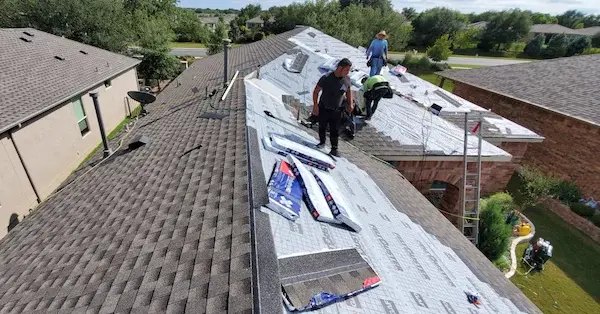
4 - WEEKInstallMost shingle roofs take one to two days once work starts. Allow a few spare days for rain.
5 - WEEKWalkthrough and paperworkYou get a cleanup, a final inspection and your warranty documents in writing.
6
Quick answers
Can you replace a roof in the rain?
No. Rain stops the tear-off, and wet decking traps moisture under the new roof. A reputable crew waits for dry weather and covers any exposed section at the end of each day.
Is a roof replacement cheaper in winter?
Not by a set amount. Material prices follow the market, and cold weather can slow the work. Contractors have more open dates in winter, which helps scheduling. Compare written estimates, not seasons.
How long does a replacement take?
Most asphalt shingle roofs take one to two days once work starts. Large or complex roofs and bad weather add time.
My roof leaks now. Should I wait for spring?
No. Get a temporary repair now and schedule the replacement for the next good window. We are open 24/7 for leaks, and you can read more on our roof leak repair page.
Do I need a permit?
In New York City, a job that replaces more than about 25% of the roof needs a Department of Buildings permit in most cases. Rules change, so we confirm what applies before work starts.
Get a straight answer for your roof
Book a free inspection. We tell you if you need a repair, a replacement or nothing yet, and we put any price in writing.